


White Stinkwood (Celtis africana): The Fast-Growing Indigenous Giant for Legacy Landscapes
Updated: Sep 9, 2025
A true champion of shade, structure, and ecological function - if you have the space.
What is the White Stinkwood?
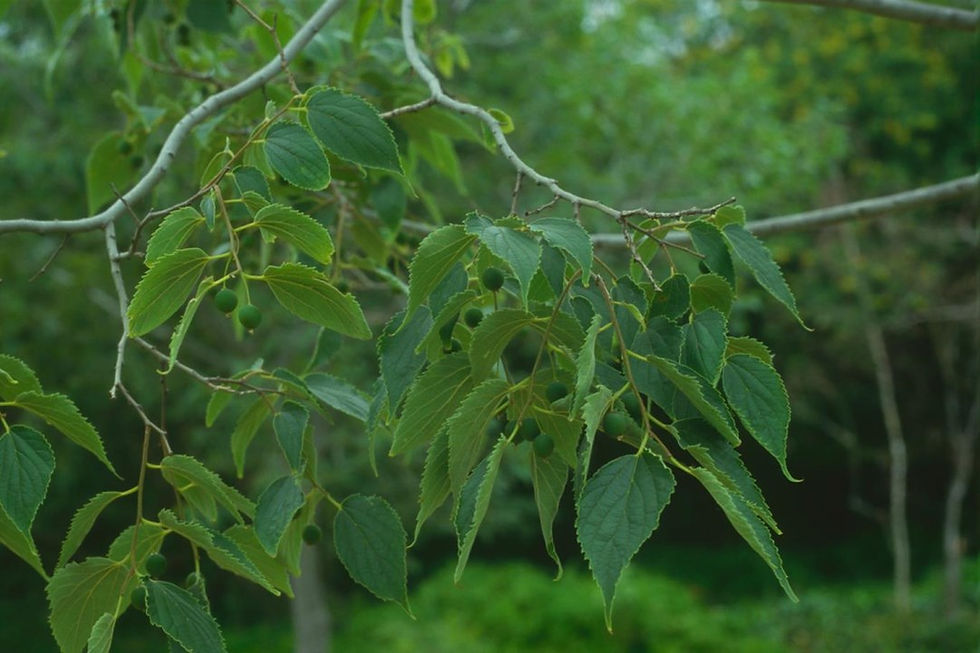
The White Stinkwood, or Celtis africana, is one of South Africa’s most iconic indigenous trees - tall, fast-growing, and undeniably useful. Despite its name, it doesn’t stink. What it does do is grow quickly, support biodiversity, and become a living anchor in larger properties, farms, public spaces, and eco-restoration projects.
It’s a tree of presence. Not subtle. Not for tiny spaces. But for homeowners and land stewards who want to create something meaningful, useful, and enduring.

Why We Recommend Celtis africana
At Overberg Arborists, we choose trees that serve both the land and the people who live on it.
The White Stinkwood is one of the few indigenous trees that ticks all these boxes:
Fast grower = early shade and habitat
Deciduous = seasonal sunlight control in homes and courtyards
Wildlife magnet = birds, butterflies, pollinators
Structurally strong with wide canopies
Suitable for farms, schools, parks, and large homesteads
And unlike many exotics used for “quick shade,” this one doesn’t come with regrets.
Quick-Glance Profile
Characteristic | Description |
Scientific Name | Celtis africana |
Common Name | White Stinkwood |
Height at Maturity | 10–25 metres |
Growth Rate | Fast |
Form | Single-stemmed, broad, spreading canopy |
Deciduous? | Yes |
Root Behaviour | Broad but generally non-invasive |
Wildlife Value | Very high – birds, butterflies, pollinators |
Ideal Use Cases | Shade, reforestation, biodiversity corridors |
Where It Thrives
The White Stinkwood is highly adaptable across the Western Cape, provided there is:
Space: It needs room to grow tall and wide
Sunlight: Full sun is ideal
Drainage: Avoid waterlogged or shallow clay soil
Breathing room: Minimum 4–5m from buildings, paving, or walls
This is not a tree for small courtyards or narrow pavements. But if you have a big garden, boundary zone, or farm corridor - it shines.

Why It Matters Ecologically
This tree earns its keep:
Supports butterfly larvae, including the Celtis blue
Fruits feed birds like starlings, bulbuls, and barbets
Provides large roosting/nesting habitat
Improves canopy cover and climate regulation in hot zones
Seasonally deciduous, allowing light through in winter
It’s a great fit for conscious homeowners who care about habitat restoration and passive cooling without the maintenance load of invasive or exotic trees.
Ideal Landscape Uses
Some trees are just pretty. This one is functional too. Here’s where it fits best:
Use Case | Why It Works |
Public parks or large campuses | Spreads wide, offers shade and habitat |
Farm paddocks & boundaries | Fast-growing buffer from wind & sun |
Eco-restoration projects | Restores riparian zones, stabilises soil |
Schools & greenbelts | Safe, long-term shade provider |
Urban forest planning | Improves canopy and biodiversity corridors |
How to Plant It Properly
To give your White Stinkwood a strong start:
Dig a deep, wide hole (twice the rootball’s width)
Mulch after planting to retain moisture
Water regularly for the first 2 summers
Don’t add fertiliser — it can distort early growth
Stake only if necessary
After 18 months, it rarely needs help. This is a tree that wants to stand on its own.
Maintenance
& Pruning
White Stinkwoods grow fast -
and fast growth needs early
structure.
If you shape it young, you’ll save
yourself years of corrective work later.
Establish a strong central leader early (remove double tops)
Thin out crossing or weak branches
Raise the canopy only where necessary (e.g. above walkways or driveways)
Remove storm damage or deadwood after windy seasons
Best time to prune: Late winter or very early spring, while dormant.
Common Issues
For an indigenous giant, this tree is surprisingly low-fuss.
Issue | Notes |
Aphids | Cosmetic; rarely a real problem |
Powdery mildew | Can show up in humid, cramped gardens |
Leaf scorch | Usually a result of drought + old age |
None of these are dealbreakers. Good placement and airflow keep it happy.
Important Caution: Don’t Confuse It with an Invasive Hackberry
Celtis africana is often misidentified as Celtis sinensis (Chinese Hackberry), an exotic invader.
Here’s how to tell them apart:
Feature | C. africana (Indigenous) | C. sinensis (Invasive) |
Bark | Pale grey, rough | Grey-brown, smoothish |
Leaf shape | Oval, slightly toothed | Pointier, glossier |
Fruit | Orange-brown | Dark brown to black |
Growth form | Upright, rounded | Wide, aggressive spread |
Planting the wrong one can result in ecological damage and even legal consequences — get confirmation if you're unsure.

The Legacy Tree You Didn’t Know You Needed
If you’re dreaming of a tree that can outlast your roof, offer cooling shade, and invite life back into your landscape, the White Stinkwood is one of the best options available in South Africa.
Just give it the space and time to show you what it’s capable of.
Want to Add One to Your Property?
Let Overberg Arborists help. We’ll assess your site and recommend the right tree for your soil, size, and climate goals - no guesswork, no gimmicks.
Or get our Free Tree Guide for the Western Cape - your shortcut to choosing the right species
Comments