


5 Practical Ways to Improve Your Soil
Updated: Nov 5, 2025
If your plants or trees are struggling, yellowing leaves, slow growth, or dry, compact soil, the problem often lies underground. In the Overberg, our soils are naturally sandy, slightly acidic, and quick to drain, which means nutrients and organic matter leach out faster than in richer inland soils.
The good news? You can rebuild soil health naturally, with patience, the right materials, and a few simple habits.
1. Test and Balance Your Soil pH
Before adding anything, start by understanding what’s already there.
Check the texture: Scoop a handful and feel it.
Gritty and loose = sandy soil (common around Hermanus, Onrus, and Stanford).
Sticky and heavy = clay soil (more likely in Caledon or Bredasdorp).
Dark and crumbly = healthy loam (you’re in luck).
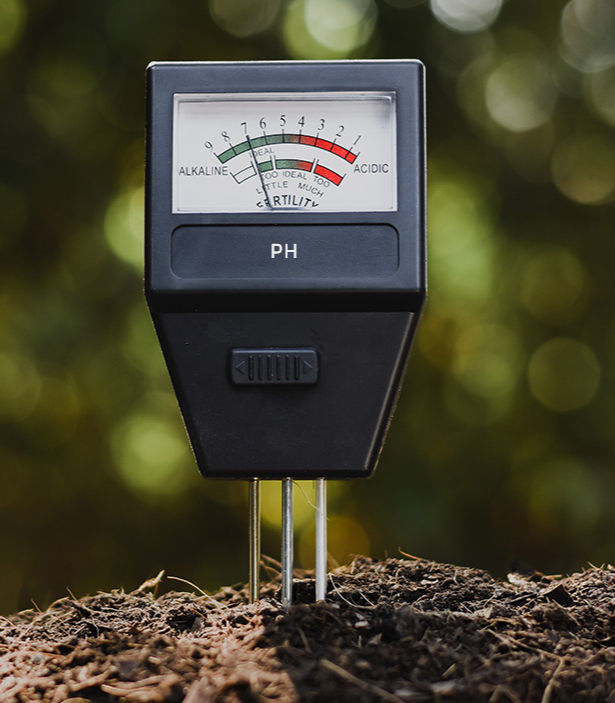
Check the pH: Most Overberg garden soils sit around pH 5.5–6.0, slightly acidic, which suits most indigenous trees and ornamentals. But it can be too acidic for lawns or veggies.
You can buy a pH test kit from your local nursery or send a sample to a lab for a full breakdown. Aim for a pH between 6.0 and 7.0 for general gardening.
If it’s too acidic, add agricultural lime in small doses. If too alkaline, use composted pine bark or acidic mulch (like rooikrans chips) to bring it down gently.
2. Encourage Mycelium and Microbial Life
Healthy soil is alive. You want to see those white, web-like strands (mycelium) when you lift mulch or turn compost, that’s a sign your soil’s ecosystem is thriving.
Mycelium works like the brain and bloodstream of the soil. It breaks down organic matter, helps roots absorb nutrients, and even protects plants against disease.
To build that life back:
Feed the soil with compost, leaves, and organic mulch.
Stop using synthetic fertilisers, they kill fungal networks.
Keep your soil covered year-round (never leave it bare).
Within a few months, you’ll notice richer colour, softer texture, and better plant growth.
3. Create Permanent Garden Beds and Pathways
Every time you step on soil, you compact it. Compacted soil means no air, no drainage, and no microbial life.
The fix? Permanent beds and pathways.
Keep beds narrow enough to reach the centre without stepping inside.
Mark paths clearly and use wood chips, micro-clover, or gravel to absorb foot traffic.
Focus compost and mulch only where plants grow, saves time, water, and amendments.
This small structural change can transform how your garden breathes.

4. Choose Not to Till
Tilling might look productive, but it breaks down the soil’s natural structure and destroys beneficial fungi and microbes.
Instead, use a no-till or minimal disturbance approach:
Use a garden fork or broadfork to gently aerate.
Layer compost, manure, or topsoil on top, don’t mix it in.
Or go sheet-mulch style: lay down cardboard, cover it with compost, and plant directly after 6–8 weeks.
It’s simpler, sustainable, and far healthier for the Overberg’s loose soils.
5. Add Organic Matter Consistently
This is the single biggest change you can make.
Organic matter, compost, leaf litter, grass clippings, or well-aged manure, feeds microbes, improves structure, and increases water retention (vital for wind-prone coastal gardens).
Apply a 5–10 cm layer of compost or mulch in late autumn and again in early spring. Over time, your sandy soil will darken, soften, and come alive.
If you’re planting new trees, mix compost into the top 30 cm of soil, not the hole itself, this encourages roots to spread naturally.
Why It Matters
Healthy soil isn’t just about plants. It means stronger trees, less watering, fewer pests, and a garden that takes care of itself.
Start small: feed your soil, stop overworking it, and let nature handle the rest.
Need help understanding your soil?
We offer on-site assessments and digital consultations across the Western Cape. Our team helps you match the right tree to your soil type, for long-term health, safety, and beauty.
Comments